
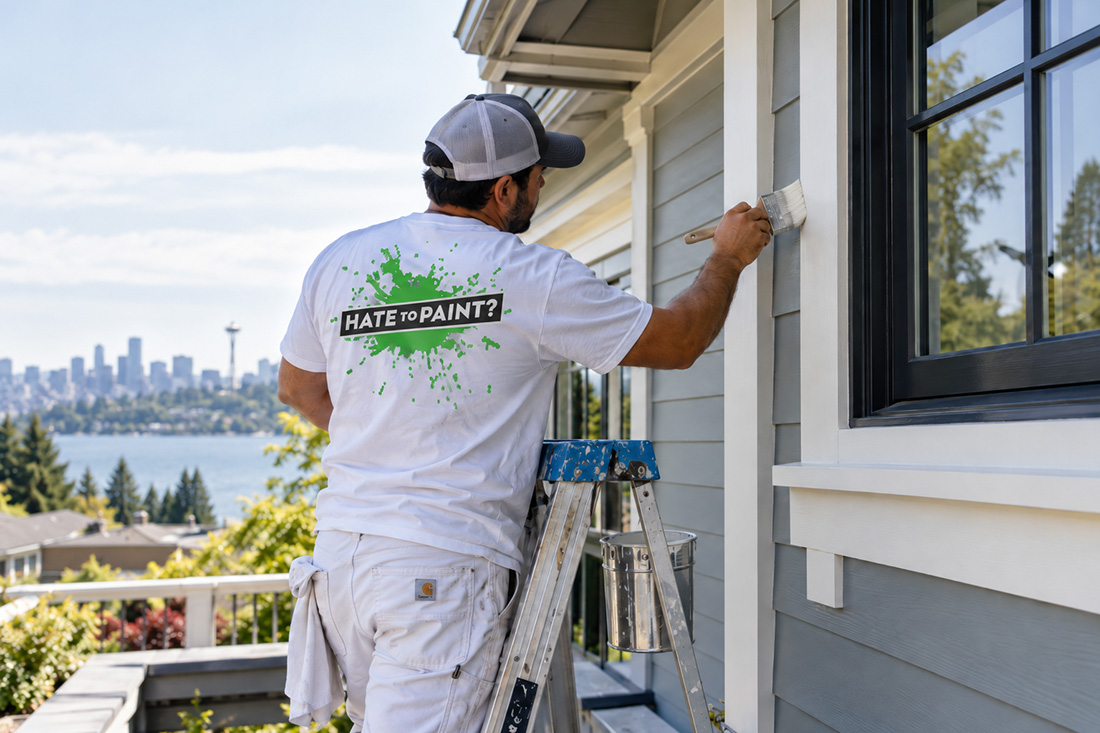
Hiring a professional painting company should be an exciting experience, whether you’re refreshing your home’s interior, updating exterior siding, or giving your business a new look. However, if you’ve never hired professional painters before, you may wonder what the process involves, how long the project will take, and what you should expect from start to finish.
A reputable painting company does much more than apply a fresh coat of paint. From the initial estimate and color selection to surface preparation, daily communication, and final walkthroughs, every step contributes to the quality and longevity of the finished project.
At Hate to Paint?, we believe a successful painting project begins with clear expectations, professional craftsmanship, and consistent communication. Here’s what Seattle homeowners and business owners should know before hiring a professional painting contractor.
1. Initial Consultation and Painting Estimate
The first step in any professional painting project is an initial consultation and estimate. This is an opportunity for the painting contractor to understand your goals, inspect the surfaces, identify potential challenges, and discuss the scope of work.
During the estimate, a professional painter typically evaluates:
- The size and condition of the areas being painted
- Existing paint, peeling, cracking, or surface damage
- Interior or exterior preparation requirements
- Necessary repairs, caulking, sanding, or priming
- Paint products, finishes, and application methods
- Project accessibility and potential scheduling considerations
A detailed written estimate should explain what work is included, the proposed materials, and the overall cost. It should also identify any exclusions or repairs that would require additional approval.
At Hate to Paint?, we provide free painting estimates and transparent pricing. Our commitment is straightforward: if the agreed-upon scope of work does not change, neither does the quoted price.
2. Color Planning and Paint Selection
Choosing paint colors is one of the most enjoyable parts of a painting project, but it can also feel overwhelming. Colors look different depending on natural light, room size, surrounding finishes, and exterior conditions.
For interior painting, homeowners should consider how colors complement flooring, furniture, cabinets, and lighting. Exterior paint colors should work with the home’s architectural style, roof, trim, landscaping, and neighborhood surroundings.
A professional painting company can help you evaluate:
- Interior and exterior color combinations
- Accent walls and contrasting trim
- Paint finishes such as matte, eggshell, satin, and semi-gloss
- Durable coatings for high-traffic spaces
- Exterior products suited to Seattle’s wet climate
Testing paint samples in different lighting conditions is an important part of the decision-making process.
Hate to Paint? also offers a complimentary color consultation with an independent designer for qualifying projects over $5,000, helping homeowners select colors with greater confidence.
3. Scheduling and Preparing for Painting Day
Once the estimate is approved and colors are selected, the next step is scheduling the project.
Your painting contractor should communicate the anticipated start date, approximate project duration, and any preparation needed before the crew arrives.
For interior projects, homeowners may be asked to move smaller belongings, remove wall decorations, and provide access to the work areas. The painting team can then protect floors, furniture, fixtures, and surrounding surfaces.
For exterior projects, preparation may involve clearing access around siding, trimming back vegetation, moving patio furniture, and identifying areas requiring repairs.
Seattle’s weather is another consideration. Exterior painting must be scheduled around suitable temperatures, moisture levels, and drying conditions. Rain delays may occasionally be necessary to maintain quality.
A professional painting company should keep you informed about scheduling adjustments rather than leaving you wondering when work will begin or resume.
4. Surface Preparation Before Painting
One of the most important parts of professional painting happens before the first coat of paint is applied.
Proper surface preparation directly affects paint adhesion, appearance, and durability. Skipping essential preparation can lead to peeling, bubbling, uneven coverage, and premature paint failure.
Depending on the project, preparation may include:
- Washing and cleaning exterior surfaces
- Scraping loose or peeling paint
- Sanding rough areas
- Patching drywall imperfections
- Filling nail holes and minor surface defects
- Caulking appropriate gaps and trim joints
- Priming bare wood, patched surfaces, or other areas requiring primer
- Masking windows, fixtures, floors, and surrounding surfaces
For exterior painting in Seattle, additional attention should be given to moisture-related issues, particularly on wood siding, fascia boards, window trim, and shaded areas.
Damaged or rotted wood should be repaired before painting. Applying fresh paint over deteriorated surfaces will not correct the underlying problem.
Experienced painters understand that preparation is not simply another step in the process. It provides the foundation for a successful paint job.
5. Professional Paint Application
Once the preparation is complete, the painting crew begins applying the selected paint products.
Depending on the surfaces and project requirements, painters may use brushes, rollers, spray equipment, or a combination of application methods.
Professional application focuses on consistent coverage, clean edges, appropriate coating thickness, and proper drying and recoating times.
For interior projects, this may involve painting walls, ceilings, doors, baseboards, cabinets, and trim.
Exterior projects may include siding, fascia, window trim, doors, and other specified surfaces.
The number of coats depends on the existing surface, color changes, product specifications, and agreed-upon scope of work.
A reliable painting contractor follows the paint manufacturer’s application requirements rather than rushing the process to finish the project faster.
6. Project Updates and Clear Communication
Communication is one of the biggest differences between an average painting experience and an exceptional one.
Homeowners should know what is happening throughout the project, especially when work extends over multiple days.
A professionally managed painting project should include communication about:
- Daily progress and completed work
- Upcoming painting and preparation activities
- Unexpected surface damage or repair needs
- Weather-related scheduling adjustments
- Questions about color selections or finishes
- Changes requiring homeowner approval
- Anticipated completion dates
For larger projects, a mid-project walkthrough can help identify questions or concerns before the final stages of painting.
At Hate to Paint?, we emphasize responsive communication and professional project management. We want homeowners to feel comfortable asking questions and confident that their property is being treated with care.
7. Final Walkthrough and Quality Inspection
Once the painting is complete, the project should include a final inspection and walkthrough.
This gives the homeowner an opportunity to review the finished work with the painting contractor, discuss any concerns, and verify that the agreed-upon scope has been completed.
During the final walkthrough, pay attention to:
- Consistent color and paint coverage
- Clean trim lines and edges
- Properly finished corners and detailed areas
- Drips, runs, or visible imperfections
- Completed surface repairs
- Paint coverage around doors, windows, and fixtures
- Overall cleanliness of the work area
Any necessary touch-ups should be discussed and addressed according to the project agreement.
A final walkthrough helps ensure that the finished product meets expectations before the project is officially completed.
8. Cleanup and Respect for Your Property
A professional painting company should leave your property clean and organized after the work is completed.
Cleanup typically includes removing masking materials, collecting equipment, cleaning work areas, and properly handling leftover materials and debris.
For interior projects, floors, furnishings, and surrounding spaces should be left in good condition. Exterior projects should include cleanup around landscaping, walkways, patios, and other work areas.
Professionalism goes beyond the quality of the paint itself. Respecting your home, time, and property is an important part of the overall customer experience.
9. Understanding the Painting Warranty
Before hiring a painting contractor, ask whether the company offers a workmanship warranty and what it covers.
A painting warranty provides additional reassurance that the contractor stands behind the work. However, warranty terms vary, so homeowners should understand the coverage, exclusions, and claim process.
Important questions include:
- How long does the warranty last?
- Does it cover peeling, blistering, or workmanship defects?
- Are materials and labor included?
- Are existing moisture issues or structural problems excluded?
- What happens if a problem develops after the project is completed?
At Hate to Paint?, most qualifying painting projects include a 3-year warranty, demonstrating our commitment to workmanship and customer satisfaction. Specific coverage depends on the project and written warranty terms.
How Long Does a Professional Painting Project Take?
The time required depends on the size of the property, surface conditions, preparation needs, weather, and complexity of the project.
A small interior room may be completed in a day or two, while an entire home’s interior can require several days or longer. Exterior painting may take approximately several days to over a week, depending on the size of the home, repairs, and weather conditions.
These are general estimates rather than guaranteed timelines. A professional painter should provide a more realistic schedule after inspecting the property and understanding the work involved.
For Seattle exterior painting projects, additional flexibility may be necessary because surfaces must be sufficiently dry before coating.
Frequently Asked Questions About Hiring a Painting Company
Do I need to be home while professional painters are working?
Not necessarily. Many homeowners arrange property access and continue with their normal schedules while painting is underway. Discuss access, security, pets, and communication preferences with your contractor beforehand.
Should I buy the paint or let the painting company provide it?
Professional painting companies commonly supply the paint and materials specified in their estimates. This helps ensure product compatibility and proper application. Confirm who is responsible for purchasing materials before work begins.
How do I prepare my house before painters arrive?
Remove fragile items, wall decorations, and small belongings from work areas. Your painter should explain which furniture, fixtures, and surfaces the crew will move or protect.
What happens if it rains during exterior painting?
Professional painters monitor weather conditions and may adjust the schedule to avoid painting on wet surfaces or during unsuitable drying conditions. Rain does not necessarily ruin an exterior project, but proper timing and surface moisture management are essential.
Should a professional painting company offer a warranty?
A workmanship warranty is a valuable consideration when comparing painting contractors. Ask for the written terms and understand what is covered before accepting an estimate.
Why Hiring the Right Painting Company Matters
Choosing the right painting contractor involves much more than comparing prices. Experience, surface preparation, communication, project management, and warranty coverage all contribute to the overall value of the investment.
An unusually low painting estimate may not include the same preparation, materials, repairs, or attention to detail as a more comprehensive proposal.
Before making a decision, review the contractor’s experience, reputation, insurance, written estimate, and communication practices.
Working with an established painting company in Seattle like Hate to Paint? gives homeowners access to a team familiar with local weather conditions, residential and commercial painting requirements, and the importance of dependable craftsmanship.
Ready to Transform Your Home? Hate to Paint? Can Help!
A professional painting project should feel organized, transparent, and rewarding from beginning to end. From the initial estimate and color planning to surface preparation, daily updates, final walkthroughs, and warranty coverage, every step matters.
At Hate to Paint?, our team brings more than 25 years of combined experience to residential and commercial painting projects throughout Seattle and King County. We focus on quality preparation, professional craftsmanship, clear communication, and customer satisfaction.
Whether you’re planning an interior refresh, exterior repaint, or commercial painting project, we’re ready to help make the experience as smooth as possible.
Contact Hate to Paint? today for a free painting estimate and discover how professional painting can transform your property.