
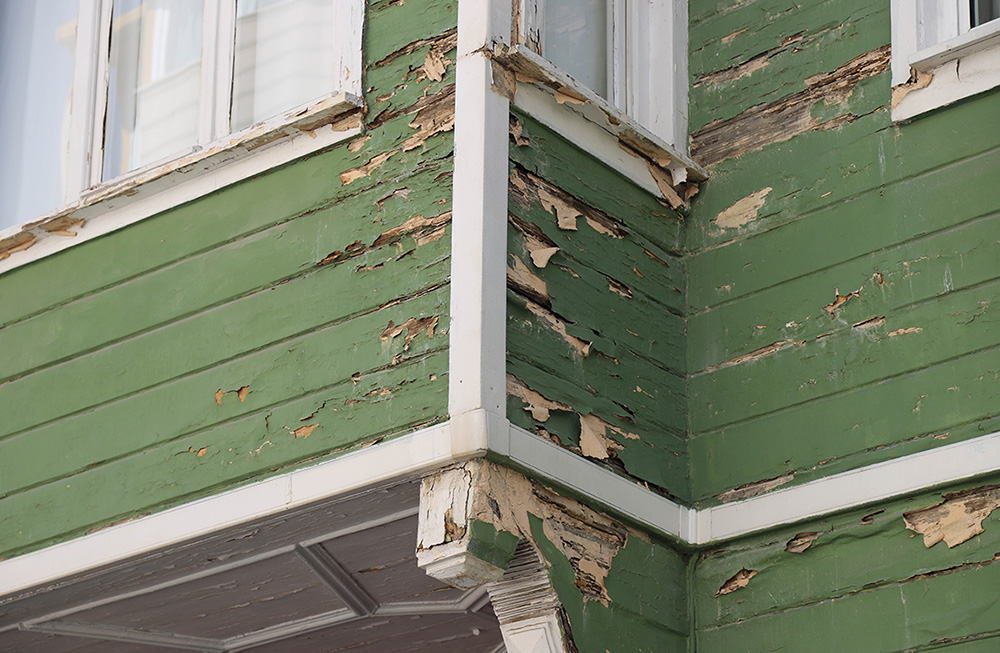
Your home’s exterior paint does more than make the property look clean and attractive. It helps protect siding, trim, fascia, doors, and other exterior surfaces from moisture, sun exposure, mildew, and everyday wear. In a damp climate like Seattle, exterior paint failure can become more than a cosmetic problem. If ignored, peeling or damaged paint can expose wood and other materials to water, leading to rot, swelling, staining, and costly repairs.
Knowing the early warning signs of failing exterior paint can help you protect your home before minor issues become bigger problems. If your siding looks faded, cracked, bubbly, or worn down, it may be time to schedule an exterior painting estimate.
At Hate to Paint?, we help Seattle homeowners refresh, protect, and maintain their homes with professional exterior painting services, careful prep work, clear communication, and a focus on long-lasting results.
Why Exterior Paint Fails
Exterior paint naturally breaks down over time. Weather, moisture, sunlight, poor surface preparation, low-quality paint, and age can all affect how long a paint job lasts. In Seattle, homes are exposed to long rainy seasons, damp air, shaded lots, moss, mildew, and changing temperatures. These conditions can be hard on exterior surfaces, especially wood siding and trim.
Paint may also fail early if the surface was not properly cleaned, scraped, sanded, primed, or caulked before painting. A good exterior paint job depends heavily on preparation. If paint is applied over dirt, moisture, loose paint, mildew, or damaged caulking, it may not bond correctly.
That is why spotting the signs of paint failure early is important. The sooner you address the issue, the better chance you have of protecting your home’s exterior.
- Peeling or Flaking Paint
Peeling paint is one of the clearest signs that your exterior paint is failing. When paint begins to lift away from the surface, it means the protective coating is no longer bonding properly.
Peeling may happen because of age, trapped moisture, poor prep work, or repeated exposure to rain and sun. Once paint starts peeling, the surface underneath becomes more vulnerable to water damage. On wood siding or trim, exposed areas can absorb moisture, which may lead to rot or deterioration over time.
Small peeling areas should not be ignored. They often spread, especially during wet weather.
- Cracking or Splitting Paint
Cracked paint can appear as thin lines, rough patches, or larger splits in the coating. This often happens when paint becomes brittle with age or when the surface expands and contracts due to temperature changes.
Cracking is a warning sign because it gives water a path behind the paint layer. In Seattle’s damp climate, this can create ongoing moisture problems if not addressed.
If you notice cracking around trim, windows, doors, fascia boards, or siding seams, it may be time to repaint or repair those areas before the rainy season returns.
- Bubbling or Blistering Paint
Bubbling paint usually means moisture or heat is trapped beneath the paint surface. Blisters can form when paint loses adhesion and separates from the material underneath.
This is especially common when paint is applied to a damp surface or when moisture is already present in the siding. Bubbling may also appear on areas that receive strong sun exposure after moisture has built up behind the paint.
Blistering should be inspected carefully. In some cases, it may point to moisture intrusion, poor ventilation, or previous prep issues.
- Fading or Discoloration
All exterior paint fades over time, but noticeable fading can make your home look older and less maintained. Dark colors may fade faster in direct sunlight, while lighter colors may become dull, chalky, or uneven.
In Seattle, cloudy weather does not eliminate UV exposure. Over time, sunlight, rain, and environmental conditions can break down pigments and reduce the richness of the original color.
Fading is not always an emergency, but it is often a sign that the paint is losing its protective strength. If fading is combined with chalking, cracking, or peeling, it may be time for a full exterior repaint.
- Chalking on the Surface
Chalking happens when paint breaks down and leaves a powdery residue on the surface. If you run your hand across the siding and notice a dusty film, your exterior paint may be deteriorating.
A small amount of chalking can occur naturally as paint ages, but heavy chalking means the coating is wearing down. This can affect curb appeal and may also make it harder for new paint to bond unless the surface is properly cleaned and prepared.
Before repainting, chalky surfaces need to be washed and evaluated so the new coating adheres correctly.
- Mildew, Mold, or Dark Staining
Seattle’s wet climate can create ideal conditions for mildew and staining, especially on shaded sides of the home. Dark patches may appear on siding, trim, eaves, decks, fences, or areas near landscaping.
Mildew does not always mean the paint has failed, but it can indicate that moisture is lingering on the surface. If mildew is combined with peeling, soft wood, or cracked caulking, the paint may no longer be protecting the home properly.
Professional surface preparation often includes cleaning away mildew and addressing the underlying conditions before repainting.
- Exposed Bare Wood
Bare wood is a serious warning sign. Once paint wears away and exposes raw wood, the material can absorb moisture. Over time, this may lead to swelling, cracking, staining, rot, and structural deterioration.
Common areas where bare wood appears include:
- Window trim
- Door frames
- Fascia boards
- Siding edges
- Deck railings
- Porch posts
- Corners and seams
Bare wood should be primed and protected as soon as possible. Waiting too long can turn a painting project into a larger repair project.
- Cracked or Missing Caulking
Caulking helps seal gaps around windows, doors, trim joints, siding seams, and other exterior transitions. When caulking cracks, shrinks, or pulls away, water can enter those gaps.
Failed caulking is often one of the first signs that an exterior needs attention. Even if the paint still looks decent from a distance, damaged caulking can allow moisture behind the surface.
A professional exterior painting project should include inspecting and replacing failed caulking where needed. This step helps protect the home and improves the finished appearance.
- Soft, Swollen, or Damaged Trim
Paint failure and moisture damage often show up first on trim. Window trim, fascia, corner boards, and door frames are especially vulnerable because they have seams, edges, and horizontal surfaces where water can collect.
Warning signs include soft spots, swelling, warping, dark stains, cracking, or paint that repeatedly peels in the same area. If trim is damaged, it may need repair or replacement before painting.
Painting over rotted or soft wood will not solve the problem. Proper repair and prep are necessary for a durable result.
- Uneven Sheen or Patchy Appearance
If your home’s exterior looks patchy, dull in some areas, shiny in others, or uneven from one side to another, the paint may be wearing down inconsistently. This can happen due to sun exposure, moisture, previous repairs, poor application, or different paint products used over time.
Uneven paint can reduce curb appeal and may signal that the coating is no longer performing consistently across the home.
How Often Should a Seattle Home Be Repainted?
How often you need to repaint depends on several factors, including siding material, paint quality, surface preparation, sun exposure, shade, moisture levels, and the condition of the previous paint job.
Seattle homes with wood siding or older trim may need more regular attention because of moisture exposure. Homes in shaded areas, near trees, or with poor drainage may also show signs of paint wear sooner.
Rather than relying only on a timeline, homeowners should look for visible warning signs. If paint is peeling, cracking, bubbling, chalking, or exposing bare surfaces, it is time to have the exterior inspected.
Why Professional Prep Matters
A long-lasting exterior paint job starts with proper preparation. Paint needs a clean, dry, sound surface in order to bond correctly. If a painter skips prep steps, the new paint may fail early.
Professional prep may include:
- Washing exterior surfaces
- Scraping loose paint
- Sanding rough edges
- Removing mildew or surface buildup
- Caulking gaps and seams
- Spot-priming bare wood
- Protecting landscaping and surrounding surfaces
- Repairing or identifying damaged trim
At Hate to Paint?, we understand that prep work is one of the most important parts of the job. A beautiful finish depends on what happens before the paint is applied.
When Is the Best Time to Repaint?
For many Seattle homeowners, late spring through summer is the best time to schedule exterior painting. Drier weather allows surfaces to dry properly after washing and gives paint a better opportunity to cure before fall rain returns.
If your home is already showing signs of paint failure, it is smart to plan early. Painting schedules can fill quickly during the dry season, and waiting too long may leave your siding exposed through another wet fall and winter.
Protect Your Seattle Home With Professional Exterior Painting
Failing exterior paint is not something to ignore. Peeling, cracking, bubbling, fading, chalking, mildew, bare wood, and damaged caulking can all be signs that your home needs attention. Addressing these issues early can improve curb appeal, protect exterior surfaces, and help prevent more expensive repairs.
If your Seattle home’s exterior paint is starting to fail, Hate to Paint? can help. Our team provides professional residential and commercial painting services with careful prep work, clear communication, and dependable results.
Contact Hate to Paint? today to schedule an exterior painting estimate and protect your home before the next rainy season.