
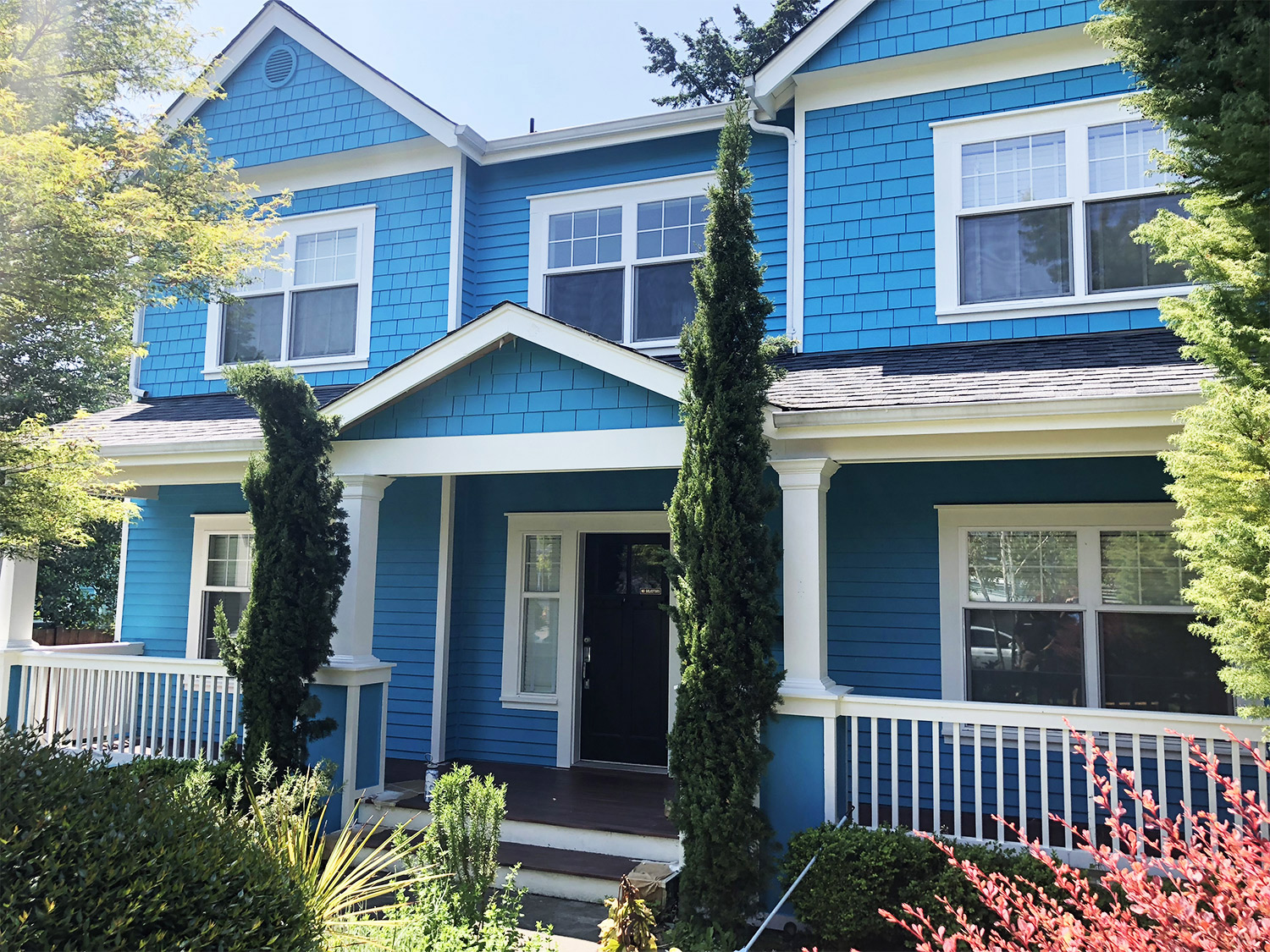
When most homeowners think about exterior painting, they picture curb appeal, fresh color, and a cleaner-looking home. While those benefits are important, exterior paint does much more than improve appearance. A quality exterior paint job helps protect your home from moisture damage, especially in a rainy climate like Seattle.
Your home’s siding, trim, fascia, doors, and exterior wood surfaces are constantly exposed to rain, damp air, wind, sunlight, and seasonal temperature changes. Over time, moisture can find its way into small cracks, gaps, peeling areas, or exposed surfaces. Once water gets behind failing paint, it can lead to swelling, staining, mildew, rot, and costly repairs.
At Hate to Paint?, we believe exterior painting should be viewed as home protection, not just a cosmetic update. With proper preparation, quality materials, and professional application, exterior paint can help defend your home against the moisture-heavy conditions common throughout the Seattle area.
Why Moisture Is Such a Big Concern for Seattle Homes
Seattle homeowners deal with a unique combination of rain, cloudy weather, shaded lots, tree coverage, and damp conditions. Even when it is not actively raining, exterior surfaces can stay wet longer because of humidity, shade, and limited direct sunlight.
This matters because moisture is one of the biggest threats to a home’s exterior. When siding or trim stays damp for long periods, it becomes more vulnerable to paint failure and material damage. Wood surfaces are especially at risk because they can absorb water when not properly sealed.
Common moisture-related issues include:
- Peeling or bubbling paint
- Cracked caulking
- Mildew or dark staining
- Soft or swollen wood trim
- Exposed bare siding
- Wood rot
- Warping or splitting
- Water stains around windows and doors
A strong exterior paint system helps create a protective barrier between your home and Seattle’s wet weather.
Exterior Paint Creates a Protective Barrier
Exterior paint is designed to cover and protect surfaces from the elements. When properly applied, it helps seal siding and trim so moisture has a harder time penetrating the surface.
This protective barrier is especially important on wood siding, cedar trim, fascia boards, window trim, doors, and other porous materials. Without paint or primer, these surfaces can absorb moisture more easily. Once moisture gets into the material, it can expand, weaken, and eventually deteriorate.
A well-maintained exterior paint job helps reduce direct water exposure, keeping the surface sealed and protected. That protection becomes even more important before Seattle’s rainy fall and winter seasons.
Paint Helps Prevent Wood Rot
Wood rot is one of the most expensive problems that can develop when exterior paint fails. Rot often begins when water gets into exposed or poorly sealed wood. Over time, the wood may become soft, dark, crumbly, or structurally weak.
Exterior paint helps prevent rot by sealing vulnerable wood surfaces before water can soak in. However, paint can only protect the home when the surface is properly prepared. Painting over already damaged or rotted wood will not fix the issue. The damaged material may need to be repaired or replaced before painting.
This is why exterior painting should include a careful inspection of trim, siding edges, fascia, window areas, and other moisture-prone spots. Catching early signs of damage can help homeowners avoid larger repairs later.
Caulking Works With Paint to Seal Gaps
Paint is only one part of the moisture protection system. Caulking also plays a major role in protecting your home from water intrusion.
Caulking is commonly used around windows, doors, trim joints, siding seams, and other exterior gaps. When caulking cracks, shrinks, or pulls away, water can enter behind the surface. Even a small gap can become a problem during Seattle’s rainy season.
A professional exterior painting project often includes removing failed caulking and applying new caulk where needed. Once painted, those sealed areas look cleaner and provide better protection against moisture.
Important areas to check include:
- Window trim
- Door frames
- Corner boards
- Siding transitions
- Fascia and trim joints
- Gaps between different materials
- Areas where old caulking has cracked or separated
Fresh paint and proper caulking work together to help keep water out.
Primer Helps Seal Bare Surfaces
Primer is another important layer of protection. When bare wood, patched areas, or weathered surfaces are exposed, primer helps create a stable base for paint to bond to.
In moisture-prone climates, primer is especially important because it helps seal porous areas and improves adhesion. If paint is applied directly over bare or damaged surfaces without the right primer, it may not last as long. Peeling, blistering, and uneven coverage can happen sooner.
Spot-priming bare wood and exposed areas is a key step in a quality exterior painting process. It helps ensure the final paint coating performs better and protects more effectively.
Failing Paint Allows Moisture In
One of the clearest signs that your home is losing moisture protection is failing paint. Once paint begins to peel, crack, blister, or flake, water has an easier path to the surface underneath.
Warning signs include:
- Peeling paint around siding or trim
- Cracking near windows and doors
- Bubbles or blisters under the paint
- Exposed bare wood
- Chalking or powdery residue
- Mildew stains on painted surfaces
- Paint separating from the siding
- Soft or swollen trim
These issues should not be ignored. What starts as a small peeling area can spread quickly, especially when moisture gets underneath the surrounding paint. Addressing paint failure early can help prevent more serious damage.
Exterior Paint Helps Reduce Mildew and Staining
Seattle’s damp climate can create ideal conditions for mildew and surface staining, especially on shaded sides of the home. North-facing walls, areas near trees, and sections close to landscaping may develop dark spots or discoloration.
Quality exterior paint can help reduce how easily moisture clings to the surface. Some paints are designed with mildew-resistant properties, which can be helpful in wet or shaded environments. However, proper prep is still essential. Existing mildew should be cleaned before painting so it does not remain trapped beneath the new coating.
A clean, properly painted exterior is easier to maintain and can help your home look better for longer.
Proper Prep Is What Makes Paint Protective
Exterior paint only protects your home when it is applied to a clean, dry, and properly prepared surface. Rushing the prep work can reduce the life of the paint job and increase the risk of early failure.
Professional exterior painting prep may include:
- Washing exterior surfaces
- Removing dirt, mildew, and loose debris
- Scraping peeling paint
- Sanding rough edges
- Replacing failed caulking
- Spot-priming bare wood
- Protecting landscaping and nearby surfaces
- Identifying damaged trim or siding before painting
In Seattle, proper drying time is also important. If a surface is too damp when paint is applied, moisture can become trapped underneath. This can lead to bubbling, peeling, and poor adhesion.
That is why exterior painting is often best scheduled during drier weather windows, especially late spring through summer.
Exterior Painting Can Help Prevent Bigger Repair Costs
Delaying exterior painting may seem harmless at first, but waiting too long can allow moisture damage to spread. What could have been a straightforward painting project may turn into siding repair, trim replacement, rot repair, or more extensive restoration.
Exterior paint is a proactive maintenance investment. It helps protect the materials already on your home and may reduce the risk of larger repairs caused by water exposure.
This is especially important for older Seattle homes, homes with wood siding, and properties with shaded or moisture-prone areas.
When Should You Repaint Your Home’s Exterior?
There is no single timeline that applies to every home. How often you should repaint depends on the siding material, paint quality, prep work, sun exposure, moisture levels, and overall condition of the exterior.
Instead of relying only on age, look for visible signs that your home needs attention:
- Peeling or cracking paint
- Exposed wood
- Faded or chalky siding
- Cracked caulking
- Mildew or staining
- Soft trim
- Bubbling paint
- Areas that stay damp or deteriorate faster than others
If you notice these signs, it may be time to schedule an exterior painting estimate before another rainy season adds more wear.
Protect Your Home With Professional Exterior Painting
Exterior paint is one of your home’s first lines of defense against moisture damage. It helps seal siding, protect trim, reduce water exposure, prevent premature deterioration, and keep your home looking well maintained.
For Seattle homeowners, this protection is especially important. Rain, damp air, shaded lots, and long wet seasons can be tough on exterior surfaces. A professional paint job with proper prep, caulking, priming, and application can help your home stand up better to the local climate.
If your home’s exterior paint is peeling, cracking, fading, or no longer protecting your siding and trim, Hate to Paint? can help. Our team provides residential and commercial painting services with careful preparation, clear communication, and dependable results.
Contact Hate to Paint? today to schedule an exterior painting estimate and help protect your home from moisture damage before the rainy season returns.